


Talking about violence can be scary for kids. Here are some resources to help.
Going back to school is always one of the most anticipated times of the year. We look forward to opening our schedules, seeing our friends we missed during the summer break, and meeting new people in classes, through sports, and by joining new clubs. While it’s easy to get caught up in all of the excitement this time of year brings, it’s also important to have a conversation with your children about internet safety.
On her first day of preschool, my daughter woke up ready to go! She was joining the Owl class, and so she put on an owl shirt, helped me pack her lunch, and grabbed her blankie for nap time. The day didn’t go as planned. About 30 minutes after drop-off, I got a call saying she had been accidentally placed in the wrong class, so they were taking her over to the Bear class instead. Here are four ways you can help kids navigate heading back to school.
In order to ensure that our children feel safe coming to us to discuss any questions or concerns they may have, we have to show them that we accept people of all genders and identities. This is something that we can start early and revisit often with children. We want to reinforce the message that we love them unconditionally while simultaneously modeling for them what it can look like to support people in their lives who may come out to them someday. Below is a list of ways to celebrate Pride this month, and all year round!
Many fathers today are very different than from generations past. Decades ago, a father’s role was to earn a living so the mother could stay at home with the children. Many things have changed over the years, but I think this change is one for the better! Fathers today are caregivers. Importantly, they set an example for their children on how to be in the world and how to be with their peers.
When is my child ready for a forward facing car seat? Or ready to move into a booster seat? For the best possible protection, keep infants and young toddlers in the back seat, in a rear-facing child safety seat, as long as possible up to the height or weight limit of the particular seat.
It is difficult to comprehend that there is yet another mass murder of children in our country. Nonetheless, a young 18-year-old boy who appears to have been bullied, dropped out of school, was unemployed, fighting with his parents and without a plan for his future, has committed the unthinkable. In his hands a weapon of war, an AR-15 machine gun, created for soldiers on the battlefield, not a classroom, ended the lives of 19 human beings.
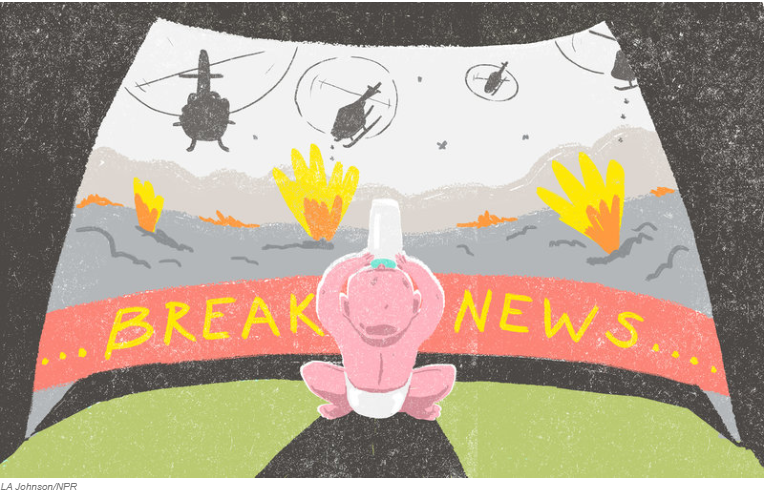
NPR's Life Kit spoke with a handful of child development experts about what parents, teachers and other caregivers can do to help prepare and protect kids from all the scary news out there, whether it's fighting overseas, a school shooting, devastating wildfire or a global pandemic. Here's what those experts had to say:
The news has taken notice that some are misusing a word that is important to protecting children from the risk of experiencing child sexual abuse. At PCAVT, we want to help parents know how to protect children, so it is important that miscommunication be avoided. This article will help you know what the word “grooming” really means and help you keep your child(ren) safe and healthy!
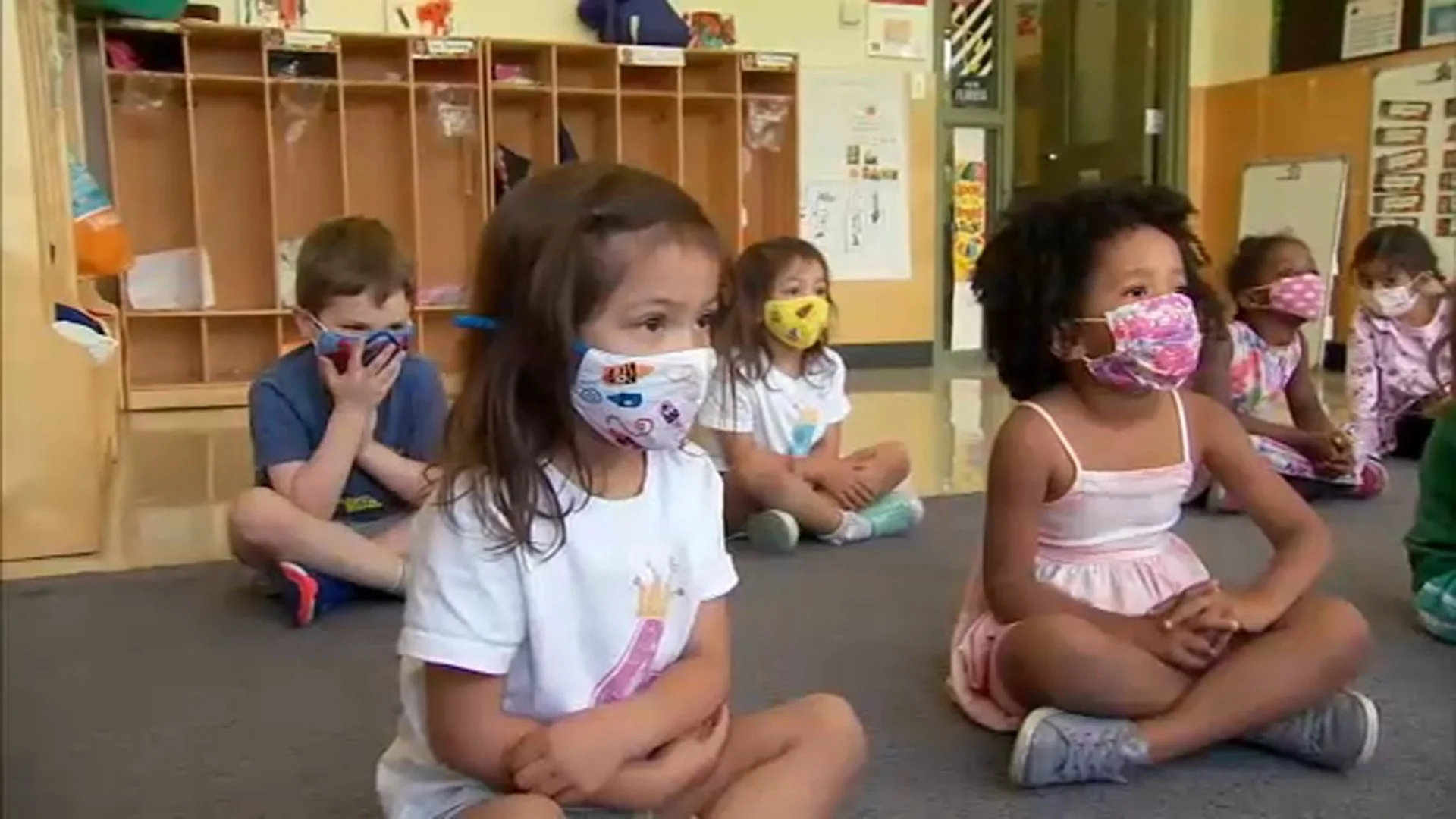
Children and teens have been impacted significantly by the Covid 19 pandemic. They could not always go to school or see their friends and family members. Wearing masks, though so important for safety, was a detriment for social interactions with peers and teachers.. At times, overly stressed parents and caregivers found themselves taking out their own feelings of helplessness out on their children and teens. It has been a very hard time for a great number of families.
PCAVT continues to be a state, national and international leader in the prevention of child sexual abuse and healthy sexual development as well as healthy parenting. While becoming Zoom proficient was never the goal for PCAVT’s staff, the pandemic’s limitations have provided a silver lining. Our education providers have been able to deliver more training programs and hold more family support programs than in the now long gone “pre-pandemic days,” and in 2021, 7,500 adults and children received direct training or support, which extends to a much larger “family” of nearly 60,000 children and adults who will be touched by these programs.
Each week this month experts from the Institution for Innovation and Implementation at The University of Maryland School of Social Work are sharing their tips on helping children, youth, families, and providers thrive during this winter season. Visit their holiday resource page for more resources. We wish you a safe & peaceful season.
It is clear that COVID 19 will not end before the holidays or the New Year. Though we have taken measures to protect our families, loved ones, co-workers, and neighbors, we are going to continue to need to take special steps to ensure the well-being, mental health, and optimism of our children and teens. This means we are going to have to get creative, care for ourselves as well as we possibly can, and talk to our family members and partners as we make holiday plans.
Research tells us that a majority of men in prison were abused growing up. As a state, Vermont is dedicated to the health and safety of its most vulnerable citizens, in particular its children. Their health, education, and overall wellbeing are paramount to the future success of our state. Given this, we must focus energy and resources on the prevention of child abuse and in particular, sexual abuse.
This time of COVID 19 has been very difficult, and for many, still is. It has brought isolation, stress, and far too often the pandemic has meant worry about basic needs, and even life itself, for family members. Children and teens are impacted because they could not always go to school or see their friends and family members. Also, some of their parents could not always work, making access to money, food, and shelter unstable and extremely stressful.
Physical punishment—an adult’s use of physical force (e.g., corporal punishment, spanking, paddling) to punish a child or correct a child’s inappropriate behavior— increases aggression in young children and is ineffective in teaching a child responsibility and self-control. Substantial evidence shows negative long-term outcomes for children who are disciplined through corporal punishment. In fact, findings indicate that children who are physically punished (i.e., spanked) have similarly negative outcomes to children that are physically abused.
Talking about Pride month as a family can make a big difference in how our children see the world. Some common ways to celebrate can include attending a parade, doing a related art project, fly a pride flag, volunteer your time as a family to an LGBTQIA+ related cause, and any other way your family sees fit! While bringing more awareness during the month of June is important, we also want to be sure we are carrying this messaging through in our daily lives throughout the remainder of the year. Here are some tips on how we can do so:
As children and youth come back out to play, learn and grow in the Vermont summer, fall and winter ahead, it is up to us all to be extra aware, patient and supportive to them. Some will need extra care and help from teachers, camp counselors, early childhood professionals, mentors, health, mental health providers and relatives. It may take some time possibly years to unpack all that has happened to some children and youth during this pandemic
As parents and caregivers, we all want our children to be physically healthy, but we also want them to be mentally and emotionally healthy. What can we do as parents and caregivers to create the best conditions for our child’s mental health? There are many positive things we can do at different ages.
Children depend on adults to create safe places for them to grow up. This can include tightening that wobbly tire on their bicycle or carefully cleaning up the broken glass in the kitchen when a cup falls. Parents and caregivers have such an important role in keeping children’s environments safe. This includes protecting children from sexual abuse.
April is Child Abuse Prevention Month in the United States. Child Abuse… Why Is Child Abuse Prevention Important? The future of the world depends on how well we care for our children today. This is not hyperbole. This is a proven fact. We get what we create and what we create is worth investing in now.
Coping with long term challenges that were supposed to be short term is not always easy…. Not for parents, grandparents, teens and children who miss “normal”. Our mental health is becoming a bit more fragile; ours and our grandparents and our teens and children. When will it really be over? Will our lives ever move forward and resemble how we lived pre-pandemic? We think so and believe so but no one can tell us for sure.
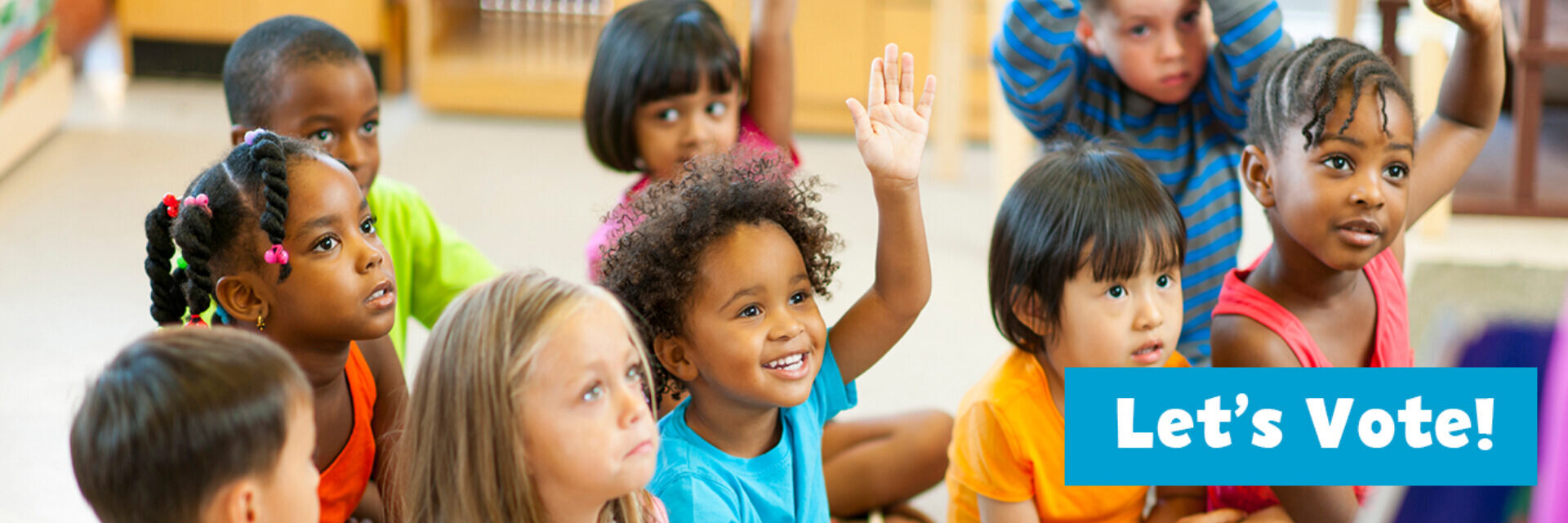
Regardless of what our own political affiliation or inclinations may be, our children may need to learn more about national elections and why voting is so important. When children are very young, we often hear that parents are their first and most important teachers. This is actually true for many, many years.
NPR's Life Kit spoke with a handful of child development experts about what parents, teachers and other caregivers can do to help prepare and protect kids from all the scary news out there, whether it's fighting overseas, a school shooting, devastating wildfire or a global pandemic. Here's what those experts had to say: